17-09-2026 | Tanzania safari tour packages
A 5-day Tanzania budget safari is a high-value camping itinerary that covers Tarangire, Serengeti, and the Ngorongoro Crater, starting from $1,150 per person. To keep this authentic experience affordable without sacrificing quality, we utilize designated public campsites inside the parks instead of expensive lodges, allowing us to allocate your budget towards what matters most: unlimited game drives, reliable 4x4 Land Cruisers, and professional guiding. This all-inclusive package covers all park fees, camping equipment, and a private chef, ensuring you witness the "Big 5" and the Great Migration directly from the heart of the bush.
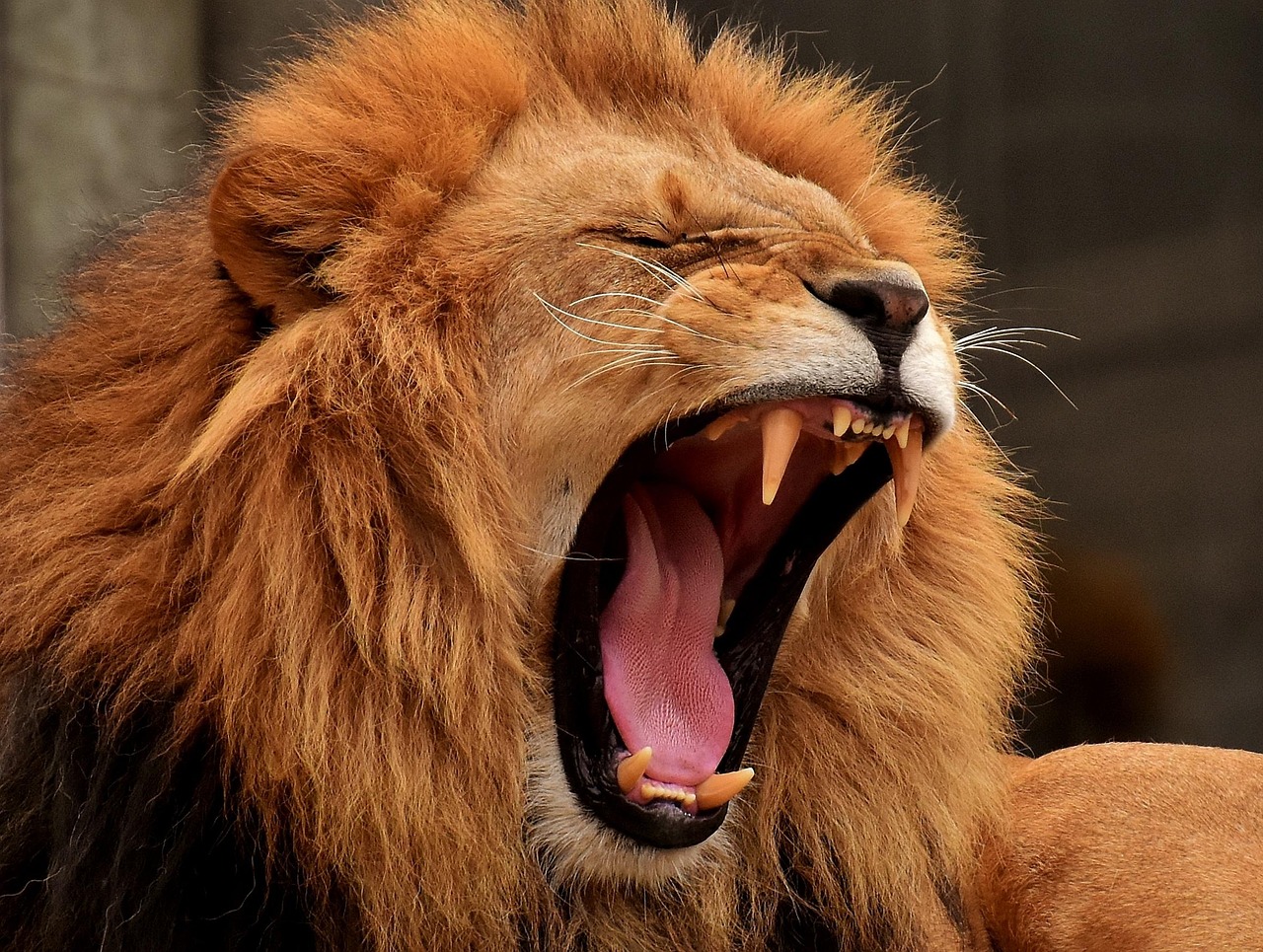
This is not just a tour; it is an expedition. Over five days, we cover the most significant locations in Tanzania's Northern Circuit. You will experience the dust, the sounds of the bush at night, and the thrill of tracking the Big 5. This guide details exactly how our camping safari works, the 2026 pricing structure, and a brutally honest day-by-day account of what happens on the road.
2026 5-Day Budget Safari Pricing & Cost Breakdown
Transparency is the foundation of our business. Many operators hide costs or surprise you with add-ons. We do not. Below is the complete price list for this 5-day package. The rate is calculated per person, per day. The total cost decreases as the group size increases because we share the fixed costs of the vehicle and the fuel.
Total Package Price (All-Inclusive for 5 Days):
- 1 Person (Solo Traveler): $280 per day
Total: $1,400 USD - 2 People (Couples/Friends): $260 per person/day
Total: $1,300 USD per person - 4 People (Small Group): $250 per person/day
Total: $1,250 USD per person - 6+ People (Large Group): $230 per person/day
Total: $1,150 USD per person
What exactly does this money cover?
This price includes your Park Entry Fees (which are significant in Tanzania), Crater Service Fee ($295 per car), Camping Fees, the 4x4 Land Cruiser, fuel, a Professional Guide, a Private Chef, three meals a day, and camping gear (tents and mattresses).
Detailed Day-by-Day Itinerary
This itinerary moves at a pace that allows for quality viewing. We do not rush through the parks. Driving times listed below are estimates based on average road conditions, which can change due to weather.
Day 1: Arusha to Tarangire National Park
Distance: 120km (approx. 2.5 hours on tarmac).
Key Wildlife: Elephant herds, Giraffe, Impala, Lions.
Overnight: Public Campsite (Mto wa Mbu or Inside Park).
Your safari begins with a pickup from your hotel in Arusha at 08:30 AM. After a quick equipment check, ensuring we have enough water, the tents are loaded, and the food supplies are secure, we hit the road. The drive takes us west on a good tarmac road, passing through the Maasai Steppe. You will see local Maasai herding cattle alongside the highway.
We arrive at the Tarangire Main Gate around 11:00 AM. While your guide handles the park registration process (which requires a few minutes), you can view the skulls and information charts at the visitor center. Watch out for vervet monkeys here; they are notorious thieves of snacks.
The Game Drive Experience:
Tarangire is famous for its density of elephants and baobab trees. Unlike the Serengeti, Tarangire is bushy with river valleys. In the dry season (June to October), the Tarangire River is the only source of water in the region. This draws thousands of animals from the surrounding Maasai Steppe. It is common to see herds of up to 300 elephants digging in the dry riverbed for underground water.
We break for a picnic lunch at the Matete Picnic Site, which offers a high vantage point over the river. After lunch, we continue the game drive. We look for lions sleeping in the shade of the sausage trees and leopards resting on the branches. Tarangire is also one of the few places in Tanzania where you can spot the Dry Country antelope: the Fringe-eared Oryx and the Long-necked Gerenuk.
As the sun begins to set, we exit the park and head to our campsite. Our chef will have hot water ready for a wash, followed by a freshly cooked dinner. We brief you on the plan for the next day before you retire to your tents.
Day 2: Tarangire to Serengeti National Park
Distance: 240km (approx. 5-6 hours transit + game drive).
Route: Through Ngorongoro Conservation Area.
Overnight: Nyani or Pimbi Campsite (Central Serengeti).
We wake up early, around 06:30 AM, for breakfast. Today involves a long but spectacular drive. We leave the Arusha region and head towards the Ngorongoro Conservation Area (NCA).
The Journey:
We pass through the Loduare Gate, the entrance to the NCA. Here, the road changes from tarmac to rough gravel. We climb up the rainforest of the crater rim. It gets misty and cool here. We stop briefly at the Crater Viewpoint. This is your first look at the massive caldera you will descend into on Day 5. It is a great photo opportunity.
We continue driving along the rim and then descend the Malanja Depression onto the plains. The landscape shifts dramatically from green highlands to the dry, dusty plains of the Serengeti. You will likely see Maasai bomas (villages) and warriors guarding their herds in this area, sharing the land with zebras and giraffes.
Entering the Serengeti:
We arrive at Naabi Hill Gate, the official entrance to Serengeti National Park, around 1:00 PM. We stop here for lunch. You can hike up the small hill to get a 360-degree view of the plains. "Serengeti" comes from the Maasai word Siringet, meaning "the place where the land runs on forever."
The game drive officially begins the moment we leave Naabi Hill. We drive through the short grass plains towards the Seronera Valley (Central Serengeti). This area is famous for the "Kopjes" (granite rock formations). Lions and cheetahs love these rocks because they provide shade and a high vantage point to spot prey. We arrive at camp around 6:00 PM.
Day 3: Full Day Exploration of Serengeti
Focus: Predators, The Great Migration (Seasonal), and Hippo Pools.
Activity: Morning and Afternoon Game Drives.
Overnight: Nyani or Pimbi Campsite (Central Serengeti).
Today, we do not need to pack up camp. We have the entire day to explore. The strategy for the day depends on the movement of the animals.
06:00 AM Start:
We depart camp with a packed breakfast box. Early morning is the "Golden Hour" for photography and predator activity. Lions are usually returning from their night hunts, and hyenas are active. We drive along the Seronera River, which attracts leopards. Leopards are elusive, but our guides are experts at spotting their tails hanging from the branches of Acacia trees.
Mid-Day:
We visit the Retima Hippo Pool. This is one of the few places where you are allowed to get out of the car and stand just a few meters away from roughly 200 hippos wallowing in the mud. The smell is strong, and the noise of their grunting is loud, but the sight is incredible. You will also see large Nile Crocodiles basking on the banks.
The Migration Factor:
If you are traveling between May, June, and July (Western Corridor) or October, November, and December (Central/South), we may encounter the massive herds of wildebeest and zebra that make up the Great Migration. Seeing over a million animals moving across the plains is a bucket-list experience. During the other months, the resident game in Central Serengeti is still arguably the best in Africa, with high concentrations of buffalo, topis, and gazelles.
We return to the campsite in the late afternoon. You can enjoy a cold drink (bring your own or buy at the camp) while watching the sunset over the savannah.
Day 4: Serengeti to Ngorongoro Crater Rim
Activity: Morning Game Drive en route to Ngorongoro.
Optional Add-on: Olduvai Gorge Museum.
Overnight: Simba Campsite A (Crater Rim).
We enjoy one final morning game drive in the Serengeti. This is often when we find the animals we missed on the previous days. If we haven't seen a Cheetah hunt yet, we head to the open plains where they chase gazelles at speeds of up to 110km/h.
Around 11:00 AM, we begin the drive back towards the Ngorongoro Conservation Area. We stop for lunch at the Naabi Hill Gate once more before crossing back into the Conservation Area.
Optional Stop: Olduvai Gorge ($35 per person extra)
On the way, we pass Olduvai Gorge. If you are interested in human history, we can stop here. This is the paleoanthropological site where Mary and Louis Leakey discovered Homo habilis, proving that early humans evolved in Africa. There is a small museum and a lecture given by the resident experts.
We arrive at Simba Campsite A in the late afternoon. This campsite is very different from the Serengeti. It sits on the rim of the crater at an altitude of 2,300 meters. It is lush, green, and often foggy.
Warning: It gets very cold here at night. Temperatures can drop to 5°C (40°F). You must have a warm fleece jacket and long trousers. Wildlife, particularly Zebras and heavy buffalo, frequently graze between the tents here. Always use your flashlight when walking to the bathroom at night.
Day 5: Ngorongoro Crater Tour & Return to Arusha
Focus: The Black Rhino and the Big 5.
Duration: 6 hours on the Crater Floor.
Drop-off: Arusha City.
This is the grand finale. We wake up before dawn at 05:30 AM to have breakfast and start our descent. The gate opens at 06:00 AM, and we want to be the first car down the Seneto descent road.
Inside the Crater:
The Ngorongoro Crater is a UNESCO World Heritage site and the world's largest inactive volcanic caldera. The floor covers about 260 square kilometers. Because the walls are 600 meters high, the animals here are essentially trapped in a natural zoo. This creates the highest density of lions in the world.
Our main goal today is to find the Black Rhino. About 25-30 rhinos are living in the crater. They are shy and often stay near the Lerai Forest or the central plains. With a good pair of binoculars (which we provide) and a bit of luck, we can spot them.
We also visit Lake Magadi, an alkaline lake in the center of the crater. Depending on the water level, you can see flocks of Greater and Lesser Flamingos turning the lake rim pink.
We have a picnic lunch near the Ngoitoktok Springs. Be very careful with your food here; Black Kites (birds of prey) will swoop down and snatch a sandwich right out of your hand if you are not paying attention. It is safer to eat inside the car.
By early afternoon, we begin the steep ascent back to the rim. The drive back to Arusha takes about 3 hours. We usually arrive back in the city around 5:00 PM to 6:00 PM. We can drop you off at your hotel, the bus station, or Kilimanjaro Airport (additional transfer fee may apply for JRO).
Customization Options: Make It Your Own
While this is a "Budget Safari," we understand that every traveler is different. We allow specific customizations to enhance your experience. These must be requested at the time of booking.
1. Accommodation Upgrade (Mid-Range)
If camping in a tent is too rough for you, but luxury lodges are too expensive, we can upgrade you to Tented Lodges. These provide real beds, en-suite private bathrooms with hot showers, and electricity, while still keeping the price reasonable.
Est. Additional Cost: +$100 to $150 per person/night.
2. Hot Air Balloon Safari
For the ultimate experience, we can book a hot air balloon flight over the Serengeti. This happens on the morning of Day 3. You fly for one hour at sunrise and finish with a champagne bush breakfast.
Cost: $600 per person (Fixed price by balloon operators).
3. Maasai Boma Visit
On the way to Serengeti (Day 2) or returning (Day 4), we can stop at a traditional Maasai village. You will see their mud huts, watch a traditional dance (the jumping dance), and learn about their culture.
Cost: $20 - $30 per vehicle (paid directly to the village chief).
Detailed Inclusions & Exclusions List
To avoid any confusion upon arrival, here is the granular detail of what is covered in your payment.
Included:
- Transport: Toyota Land Cruiser (4x4) extended version with a pop-up roof for 360-degree game viewing. Each passenger gets a window seat.
- Crew: English-speaking Driver Guide (Wildlife Expert) and a Private Chef.
- Park Fees: All government taxes, VAT (18%), and conservation fees for Tarangire, Serengeti, and Ngorongoro.
- Camping Equipment: Canvas dome tent (2-person capacity), foam mattress, sleeping bag (if requested), table, and chairs.
- Food & Drink: Breakfast, Lunch (picnic box), and Hot Dinner daily. 1.5 Liters of mineral water per person per day. coffee/tea with dinner.
- Safety: First Aid Kit in the vehicle, AMREF Flying Doctors insurance (for emergency air evacuation only).
Not Included:
- Flights: International or domestic flights.
- Accommodation in Arusha: Before or after the safari (we can book this for you upon request).
- Tipping: Tipping is a safari tradition in Tanzania. We recommend budgeting $20 per day for the guide and $15 per day for the chef (per group).
- Personal Items: Toiletries, insect repellent, souvenirs.
- Drinks: Sodas and Alcohol (can be bought at stops).
- Visa: Tanzania Tourist Visa ($50 for most nationals, $100 for US citizens).
Frequently Asked Questions (FAQs)
We know you have questions. Here are the honest answers to the things most travelers worry about.
Q: How comfortable are the public campsites?
A: They are basic but functional. The campsites (like Nyani or Simba) are unfenced areas in the wild. You will sleep in tents that our staff sets up. There is a communal building with flush toilets and showers.
Pro Tip: Hot water is generated by solar or wood fires and can run out if the campsite is busy. Shower immediately upon arrival at camp for the best chance of hot water.
Q: Is it safe to sleep in tents with wild animals around?
A: Yes, it is safe as long as you follow the rules. Do not keep food in your tent (it attracts hyenas). Do not walk away from the camp center at night. Park Rangers are stationed at every campsite with weapons to ensure safety. Animals generally ignore the tents as they see them as solid objects.
Q: What kind of food will we eat?
A: You will be surprised by the quality. Our chefs work miracles with a gas burner.
Breakfast: Eggs, sausages, toast, fruit, pancakes, coffee/tea.
Lunch: Packed boxes with chicken/egg, sandwich, juice, fruit, chocolate, and biscuits.
Dinner: Hot soup (cucumber, pumpkin, or vegetable), followed by a main course like rice/stew, pasta, or potatoes with beef/chicken, and fresh fruit for dessert. We cater to vegetarians, vegans, and gluten-free diets (please inform us when booking).
Q: How do we charge our phones and cameras?
A: There is no electricity at the campsites. However, our safari jeeps are equipped with power inverters and charging strips (UK 3-pin style and USB ports). You can charge your devices while we are driving during the day. We recommend bringing a high-capacity power bank (20,000mAh) as a backup.
Q: What happens if the jeep breaks down?
A: The roads in Tanzania are incredibly rough and punish vehicles. While we service our cruisers before every trip, minor issues like flat tires can happen. Our guides are trained mechanics. For major issues, we have a rescue network. Another car from our company or a partner company nearby will come to assist or pick you up. You will never be left stranded in the bush.
Q: Can I bring my children?
A: For this specific budget camping itinerary, we recommend that children be at least 6 years old. The days are long, the roads are bumpy, and camping requires a level of patience. For families with younger kids, we recommend upgrading to a lodge safari where you have more secure environments and creature comforts.
Q: What is the luggage limit?
A: Please use soft-sided duffel bags or backpacks. Hard-shell suitcases are difficult to stack in the safari vehicle and can get damaged by the vibration. Aim for about 15kg to 20kg per person. If you have extra luggage that you don't need for the safari, you can leave it safely at our office or your hotel in Arusha.
Q: How do I handle money and tipping?
A: Bring US Dollars printed after the year 2009 (older notes are not accepted in Tanzania). You can change some money into Tanzanian Shillings (TZS) for small purchases like beer or souvenirs, but the guide and chef prefer tips in USD. Credit cards are accepted at major lodges and supermarkets, but cash is king in the bush.
Ready to Book Your 2026 Adventure?
The "5 Days Tanzania Budget Safari" is our most popular package for a reason. It delivers the full Northern Circuit experience without the high price tag. Availability for campsites, especially inside the Ngorongoro Crater rim, fills up quickly during the peak season (July, August, and September).
To secure your spot, please contact us with your preferred dates and group size. We require a 30% deposit to book your permits, with the balance payable upon arrival. Let’s get you to the Serengeti!