16-10-2026 | Tanzania Safari Combo Packages
The 30-day Tanzania safari holiday package offers a complete month-long journey across Tanzania, combining an 8-day Lemosho climb on Mount Kilimanjaro, cultural day trips in Moshi, a 9-day Northern Circuit wildlife safari, and an extended 9-day beach retreat in Zanzibar, with prices starting from $8,000 to $11,500 per person based on double occupancy. This cost covers all mountain climbing permits, professional mountain crews, all national park entry fees, private 4x4 safari transport, domestic flights from Arusha to Zanzibar, and mid-range safari lodges and beach resorts. This extensive itinerary is designed for sabbatical travelers, retirees, and adventure seekers who want to explore East Africa thoroughly without rushing through major destinations. Travelers land at Kilimanjaro International Airport (JRO) to begin their mountain journey and fly home directly from Abeid Amani Karume International Airport (ZNZ) in Zanzibar. Taking a full month allows you to balance demanding mountain trekking with restful cultural excursions, deep wilderness game viewing, and relaxed Indian Ocean beach life.
Tour Overview and Expedition Route Logistics
Coordinating a 30-day safari package in Tanzania requires smooth operational transitions between mountain trails, dusty savannah roads, and coastal island transport. You travel from western Kilimanjaro across the Great Rift Valley, into the heart of the Serengeti, and finally across the sea to the spice islands of Zanzibar.
| Expedition Phase | Duration & Base | Primary Activities | Transport & Lodging |
|---|---|---|---|
| Phase 1: Mountain Trek | Days 1 to 8 (Kilimanjaro) | High-altitude hiking, Shira Plateau, Uhuru Peak summit | Mountain transfer buses, four-season mountain dome tents |
| Phase 2: Cultural Day Trips | Days 9 to 10 (Moshi Area) | Materuni waterfall hike, coffee roasting, Chemka hot springs | Private tour vehicle, comfortable Moshi town hotel |
| Phase 3: Classic Wildlife Safari | Days 11 to 20 (Northern Circuit) | Manyara, Tarangire, Serengeti, Ngorongoro, Maasai boma | Custom 4x4 safari Land Cruiser, wilderness tented lodges |
| Phase 4: Transition & City Tour | Day 21 (Arusha City) | Cultural heritage museum, artisan craft markets, island flight | Private city transfer van, scheduled regional flight |
| Phase 5: Zanzibar Beach Stay | Days 22 to 30 (Zanzibar Coast) | Stone Town, spice farms, Safari Blue dhow trip, beach sports | Air-conditioned vans, boutique Stone Town hotel, beach resort |
The daily pace adapts to your surroundings throughout the month. During the mountain phase, you walk slowly for four to seven hours each day to help your body adjust to high altitude. On safari, your days follow wildlife routines with early morning game drives starting at 6:30 AM, quiet midday breaks, and late afternoon tracking sessions. On the coast, your schedule becomes completely flexible, letting you alternate between ocean excursions and peaceful days by the water.
Practical Advice for Your Month-Long Journey:
- Split Baggage Storage: You do not need to bring safari clothes or beachwear up Mount Kilimanjaro. You can leave your extra bags securely locked in our Moshi office safe room until you return from the mountain.
- Domestic Flight Weight Limits: Scheduled domestic flights between Arusha and Zanzibar enforce a strict baggage allowance of 15 to 20 kilograms (33 to 44 pounds) per passenger. Soft duffel bags are required so luggage fits into aircraft cargo compartments.
- Vehicle Power Outlets: Your 4x4 safari vehicle features UK Type-G power sockets and USB ports, allowing you to charge cameras, phones, and headlamps while driving.
- Laundry Options: Most safari lodges and town hotels provide laundry services for a modest fee, making it easy to travel with roughly 7 to 10 days of clothing for the whole month.
Travel Schedule Breakdown for Your 30-Day Safari Package in Tanzania
To keep this long-format trip organized and easy to review, the 30-day itinerary is grouped into five logical phases below.
Phase 1 (Days 1 to 8): 8-Day Mount Kilimanjaro Climb via the Lemosho Route
Your journey begins with an arrival at Kilimanjaro International Airport and a short transfer to your base hotel in Moshi for gear checks and safety briefings. The next morning, you drive around the western base of the mountain to Londorossi Gate to register with park authorities before trekking through dense rainforest to Mti Mkubwa Camp. Over the next three days, you cross the vast Shira Plateau, climbing through open heather and alpine moorland toward Shira 1 and Shira 2 camps. This western approach gives you panoramic views of Kibo Peak and provides excellent acclimatization because you gain elevation gradually.
On Day 5, you hike up to Lava Tower at 4,630 meters (15,190 feet) for lunch to help your body adapt to thin air, before descending into the Barranco Valley to sleep at 3,960 meters. The following morning, you scramble up the non-technical Barranco Wall and traverse scenic alpine ridges into the Karanga Valley, continuing onward to Barafu Base Camp at 4,670 meters. Your summit push begins at midnight on Day 7, climbing slowly across frozen volcanic scree to reach Stella Point at sunrise and Uhuru Peak (5,895 meters) shortly after. After taking photos at the summit, you descend to Barafu for rest and food, then continue down to Mweka Camp. On Day 8, you complete your descent through the forest to Mweka Gate, receive your summit certificates, and transfer back to your Moshi hotel for a hot bath and celebration dinner.
Total hiking distance: 70 kilometers (43.5 miles).
Elevation gain: From 2,100 meters at the gate to 5,895 meters at Uhuru Peak.
Meal plan: Full board on the mountain (Breakfast, Lunch, Dinner).
Accommodation: Four-season alpine mountain tents on the trail; standard hotel in Moshi.
Phase 2 (Days 9 to 10): Moshi Cultural Excursions, Materuni Waterfalls, and Chemka Springs
After a restful night following your mountain climb, Day 9 takes you into the lush foothills of Mount Kilimanjaro to visit Materuni Village. You take a guided walk along village trails bordered by banana trees and avocado groves to reach the 80-meter-tall Materuni Waterfall, where you can swim in the cool plunge pool. Afterward, local Chagga farmers teach you how coffee is grown, harvested, dried, and roasted over an open fire. You pound your own coffee beans with wooden pestles, brew a fresh cup of coffee, and share a home-cooked Chagga lunch with the local community.
Day 10 offers a restorative day trip to the Chemka (Kikuletwa) Hot Springs, located in a semi-arid plain between Moshi and Arusha. The spring consists of warm, clear geothermal water surrounded by large fig trees and roots that create natural swimming pools. You can float in the turquoise water, swing from rope swings, and relax on the grassy banks while your guide prepares a hot local lunch. In the late afternoon, you drive back to Moshi to rest and prepare your luggage for the wildlife safari phase.
Activity focus: Gentle hiking, cultural coffee making, and geothermal swimming.
Transit time: 1 to 1.5 hours driving each way on paved and rural dirt tracks.
Meal plan: Breakfast (B), Local Lunch (L), Dinner (D).
Accommodation: Standard hotel in Moshi.
Phase 3 (Days 11 to 20): 10 Days of Wildlife Safari and Maasai Cultural Immersion
On Day 11, you meet your safari driver-guide and drive to Tarangire National Park for two full days of game viewing. Tarangire is famous for its massive baobab trees and large elephant families that drink and bathe along the Tarangire River. You track prides of lions resting in shady riverbanks, herds of buffalo, zebras, giraffes, and diverse bird species. On Day 13, you visit Lake Manyara National Park, driving through evergreen groundwater forests filled with baboons, blue monkeys, and flamingos feeding along the shallow alkaline lakeshore.
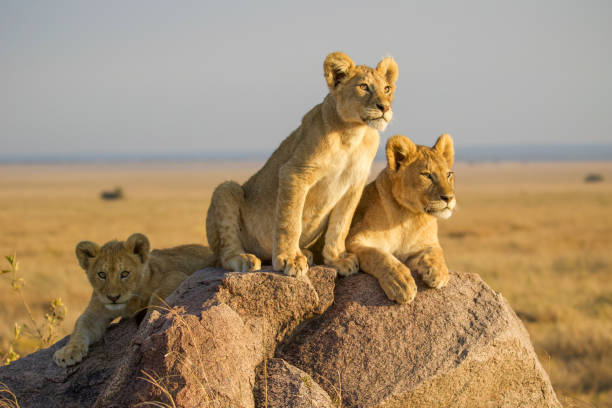
Days 14 through 17 are spent exploring the world-renowned Serengeti National Park. You travel through the central Seronera Valley, where permanent water sources draw resident leopards, cheetahs, and territorial lion prides around rocky granite kopjes. Depending on the time of year, you track the Great Migration herds across the southern plains or northern river crossings. On Day 18, you visit an authentic Maasai boma near the rim of the Ngorongoro Conservation Area, learning about traditional Maasai cattle herding, warrior customs, beadwork, and home construction directly from community elders.
On Day 19, you descend 600 meters into the Ngorongoro Crater caldera for a full-day safari across the open crater floor. Here you have a high chance of spotting endangered black rhinos, hippos wallowing in freshwater springs, spotted hyenas, and heavy-maned lions. You stop for a picnic lunch at the Ngoitoktok hippo pool before ascending the steep crater wall to sleep at a highland lodge in Karatu. On Day 20, you enjoy a relaxed morning drive through the Mto wa Mbu farming village before returning to Arusha for an overnight hotel stay.
Safari driving distance: Approximately 950 kilometers (590 miles) across the entire circuit.
Key wildlife: Lions, leopards, cheetahs, elephants, black rhinos, buffalo, giraffes, hippos.
Meal plan: Full board (Breakfast, Lunch Box/Hot Lunch, Dinner).
Accommodation: Mid-range safari lodges and wilderness tented camps.
Phase 4 (Day 21): Arusha City Heritage Tour and Island Flight Transition
Day 21 provides a relaxed cultural transition between your wilderness safari and your island beach holiday. In the morning, you visit the Arusha Cultural Heritage Centre, which houses an extensive museum of African art, historical carvings, antique masks, and Tanzanite gemstone galleries. You can walk through outdoor sculpture gardens and shop for authentic local crafts with fixed, transparent pricing.
After a traditional lunch in Arusha city, you stop by the Shanga workshop at Arusha Coffee Lodge. Shanga is a social enterprise that trains and employs local artisans with physical disabilities to create handmade jewelry, glassware, and woven fabrics from recycled materials. At 3:30 PM, your driver transfers you to Arusha Airport (ARK) for your scheduled 1-hour-and-20-minute domestic flight to Zanzibar. You touch down on the island by early evening, meet your private coastal transfer driver, and check into your historic Stone Town hotel for dinner.
Transit details: 3 hours city touring, 1.3-hour scheduled domestic flight.
Meal plan: Breakfast (B), Lunch (L), Dinner (D).
Accommodation: Boutique heritage hotel in Stone Town, Zanzibar.
Phase 5 (Days 22 to 30): 9-Day Zanzibar Island Coast and Ocean Exploration
You begin your island stay with two nights in historic Stone Town. On Day 22, a local historian guides you through narrow stone alleys to visit the Old Arab Fort, the House of Wonders, the Palace Museum, and the Anglican Cathedral built on the site of the former slave market. In the afternoon, you take a wooden boat to Prison Island to feed giant Aldabra tortoises and snorkel on the surrounding reef. On Day 23, you check out of Stone Town and travel through rural farming communities to an organic spice plantation. You smell, touch, and taste fresh vanilla, cloves, cinnamon, and nutmeg before continuing north to your beachfront resort in Nungwi.
Days 24 through 29 are dedicated to ocean exploration and coastal relaxation along northern Zanzibar's white-sand beaches. Day 24 features the full-day Safari Blue boat excursion in Menai Bay, sailing aboard a traditional wooden dhow, watching dolphins, snorkeling over coral reefs, and eating a seafood barbecue lunch on Kwale Island. Day 26 includes a guided tour of Jozani Chwaka Bay National Park to watch rare red colobus monkeys jumping through mahogany canopies and walk along mangrove boardwalks. The remaining days (Days 25, 27, 28, and 29) are completely free for hotel relaxation, paddleboarding, sea kayaking, dhow sunset cruises, or scuba diving near Mnemba Atoll. On Day 30, your private driver transfers you to Zanzibar International Airport (ZNZ) for your flight home.
Beach activities: Snorkeling, dhow sailing, spice tasting, swimming, watersports, and wildlife tracking.
Meal plan: Half-board or full-board at beach resort (Breakfast, Lunch/Dinner).
Accommodation: Oceanfront beach resort in Nungwi or Kendwa.
Package Inclusions and Exclusions
| Included in 30-Day Package | Excluded from 30-Day Package |
|---|---|
|
|
Customization Flexibility: Tailoring Your 30-Day Tanzania Vacation Tour
Every traveler has unique physical goals, travel styles, and personal interests. This 30-day itinerary is fully modular, meaning you can adjust any phase before booking without being locked into the standard schedule.
- Mountain Climb Substitution: If you prefer not to climb Mount Kilimanjaro, you can remove the 8-day Lemosho trek entirely. In its place, you can add relaxed walking safaris in Arusha National Park, multi-day cultural tours around Lake Eyasi with the Hadzabe hunter-gatherers, or extra days in the Serengeti.
- Extended Wildlife Safaris: Wildlife photographers can expand the safari portion from 9 days to 14 days, allowing visits to northern Serengeti river crossing points or quiet southern reserves such as Ruaha National Park and Nyerere National Park.
- Expanded Island Options: You can divide your coastal stay between Zanzibar, Pemba Island, and Mafia Island. Mafia Island offers world-class swimming with gentle whale sharks, while Pemba provides secluded diving over untouched coral walls.
- Town Day Trips and Hikes: Active travelers who skip the summit climb can choose shorter day hikes on Mount Meru, forest walks around Lake Duluti, or guided bicycle rides through the banana and coffee plantations of Karatu and Mto wa Mbu.
Luggage Handling, Domestic Flights, and Equipment Storage
Moving through different climates and travel styles across 30 days requires organized packing and smart luggage handling.
- Secure Base Storage in Moshi: You can leave non-mountain luggage, such as your safari clothing, beach sandals, and town clothes, safely stored in our Moshi office safe room during your mountain climb. When you finish the trek, your stored bags are waiting for you at your base hotel.
- Duffel Bag Guidelines for Porters: Porters carry your mountain gear in large water-resistant duffel bags. Mountain park regulations limit each porter bag to a maximum of 15 kilograms (33 pounds). You carry only your light daypack containing water, rain gear, and a warm fleece during daily hikes.
- Bush Aircraft Restrictions: The flight from Arusha to Zanzibar uses regional turboprop aircraft with tight baggage compartments. Hard suitcases are strictly prohibited; please pack your clothes in flexible, soft-sided duffel bags that weigh no more than 15 to 20 kilograms total.
- Clothing Care and Laundry: Because you are traveling for a full month, packing around 8 to 10 sets of clothes is ideal. Lodges in Moshi, Karatu, Serengeti, and Zanzibar offer laundry services, allowing you to refresh your wardrobe between itinerary phases.
Operational Tipping Guidelines and Cash Planning
Understanding tipping practices and currency requirements ensures your support teams are rewarded fairly and prevents payment issues in remote areas.
- Mountain Crew Gratuities: Tipping on Mount Kilimanjaro is handled through an organized ceremony at Mweka Gate on Day 8. Recommended group tip pools average $20 per day for the lead guide, $15 per day for assistant guides, $12 to $15 per day for the cook, and $8 to $10 per day for each porter. Budget roughly $250 to $350 total per climber for the 8-day trek.
- Safari Driver-Guide Tipping: A customary gratuity for your professional safari driver-guide is $20 to $30 total per day per vehicle, given directly to your guide at the end of the 10-day safari on Day 20.
- Day Tour Guides and Boat Crews: For local day trips, such as the Materuni waterfall guide, coffee tour host, Stone Town guide, or Safari Blue boat crew, a tip of $10 to $15 per group is standard and appreciated.
- Currency Quality Rules: US dollars are widely accepted across Tanzania, but bills must be clean, unmarked, and printed after 2009. Banks and vendors reject older notes due to counterfeiting concerns.
- Local Currency Needs: Keep 100,000 to 200,000 Tanzanian Shillings (roughly $40 to $80 USD) in small paper bills for buying fresh fruit, wood carvings, street snacks, and small souvenirs at roadside markets. ATMs are readily available in Moshi, Arusha, and Stone Town, but cannot be found inside the national parks.