16-10-2026 | Tanzania Safari Combo Packages
The 20-day Tanzania safari package combines a 6-day Machame route climb on Mount Kilimanjaro, a 7-day wildlife safari across the Northern Circuit, and a 7-day coastal stay in Zanzibar, with prices starting from $5,800 to $7,900 per person based on double occupancy. This rate includes all national park conservation fees, mountain rescue fees, licensed guides and mountain porters, a private 4x4 Land Cruiser with an experienced driver-guide, domestic flights between the bush and the islands, and all accommodation.
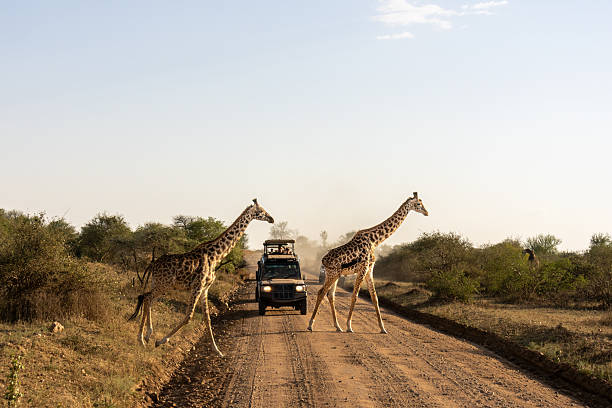
This long-format adventure is designed for active travelers, couples, and families with teenagers who want to experience high-altitude trekking, big game viewing, and Indian Ocean relaxation in a single trip. Travelers arrive at Kilimanjaro International Airport (JRO) to begin their mountain climb and depart directly for home from Abeid Amani Karume International Airport (ZNZ) on Zanzibar. Scheduling the trip in this natural order lets you complete the strenuous physical climb first so you can relax through savannah game drives and unwind completely on coastal beaches.
Tour Overview and Practical Field Logistics
This 20-day Tanzania safari holiday divides your travel time across three distinct geographic regions: the alpine peaks of northeastern Tanzania, the volcanic rift valley savannahs, and the coral islands of the Indian Ocean. Moving between these diverse landscapes requires thoughtful planning, proper luggage handling, and steady physical pacing.
| Trip Stage | Duration & Location | Transport & Accommodation | Managing Authority |
|---|---|---|---|
| Stage 1: High-Altitude Trek | 7 Days (Moshi to Kilimanjaro Peak) | Mountain transfers, four-season mountain tents | Kilimanjaro National Park (KINAPA) |
| Stage 2: Wildlife Safari | 7 Days (Manyara, Tarangire, Serengeti, Ngorongoro) | Custom 4x4 Land Cruiser, safari lodges and tented camps | TANAPA & NCAA |
| Stage 3: Island Coast | 6 Days (Stone Town, Jozani, Nungwi Beach) | Domestic flights, air-conditioned vans, beachfront resort | Zanzibar Tourism Commission |
The daily rhythm shifts as you move from one phase of the expedition to the next. On the mountain, you wake up at 6:30 AM for hot tea, pack your sleeping gear, and hike between four and seven hours each day to reach the next elevation camp before afternoon rain sets in. On safari, your days center on early morning and late afternoon game drives when predators such as lions and leopards actively hunt. In Zanzibar, your schedule slows down, allowing you to enjoy leisurely breakfasts overlooking the ocean, guided cultural walks in the morning, and water sports in the warm afternoon hours.
Key Operational Advice Before You Depart Arusha:
- Split Baggage Logistics: You can leave your beachwear, town clothes, and safari gear in secure storage at our base hotel in Moshi while you climb Mount Kilimanjaro. You repack into your safari duffel bag before heading into the national parks.
- Domestic Flight Weight Limits: The scheduled flight from Arusha to Zanzibar allows a maximum luggage weight of 15 to 20 kilograms (33 to 44 pounds) per passenger in soft-sided bags. Hard suitcases are difficult to pack into small aircraft cargo pods.
- In-Vehicle Power: Your safari Land Cruiser has UK-style Type-G electrical outlets and USB ports to recharge camera batteries, mobile phones, and portable power banks during transit.
- Physical Hydration: Staying well-hydrated helps prevent altitude sickness on the mountain and counters the dry heat of the savannah. We provide treated drinking water at all mountain camps and 1.5 liters of bottled mineral water per person per day in the safari vehicle.
Daily Travel Schedule for Your 20-Day Tanzania Safari Holiday Tour
This 20-day safari package in Tanzania connects every major highlight in the country without backtracking or wasting valuable vacation time.
Day 1: Arrival at Kilimanjaro Airport (JRO), Transfer to Moshi
Your transfer driver welcomes you outside the arrivals hall at Kilimanjaro International Airport. You travel 45 kilometers (28 miles) east along a paved highway through farmland to your hotel in Moshi town. The drive takes around 50 minutes and offers your first clear views of Mount Kilimanjaro when skies are clear. After checking into your hotel, you meet your head mountain guide for an equipment check and safety briefing. The guide checks your waterproof jackets, thermal layers, warm sleeping bag, and worn-in trekking boots. Any missing clothing or rental equipment can be hired directly from our gear shop in Moshi before dinner.
Driving distance: 45 kilometers (28 miles).
Transit time: 50 minutes.
Meal plan: Dinner (D).
Accommodation: Standard hotel in Moshi.
Day 2: Machame Gate (1,800m) to Machame Camp (3,000m)
After breakfast, you drive 45 minutes from Moshi to the Machame Gate on the southwestern slopes of the mountain. While your head guide processes your climbing permits with park authorities, your mountain crew weighs all duffel bags to make sure each porter carries no more than 20 kilograms. You begin walking along winding trails through dense montane rainforest. The forest canopy is filled with mosses, large ferns, and noisy black-and-white colobus monkeys feeding in the branches. You stop for a packed lunch halfway along the trail before climbing steadily along a forest ridge to reach Machame Camp by mid-afternoon.
Hiking distance: 11 kilometers (7 miles).
Hiking time: 5 to 7 hours.
Elevation gain: 1,200 meters (3,940 feet).
Terrain: Muddy rainforest paths and tree roots.
Meal plan: Breakfast (B), Lunch Box (L), Dinner (D).
Accommodation: Mountain tents at Machame Camp.
Day 3: Machame Camp (3,000m) to Shira Camp (3,840m)
You leave the forest zone behind and cross a small stream valley onto an open heath and moorland plateau. The path climbs across rocky ground covered with giant heather bushes and grey volcanic dust. As you gain elevation, the air cools down and the views open up toward the snowcapped Western Breach of Kibo Peak. After walking four to six hours across the Shira Plateau, you reach Shira Camp. Here, the mountain crew has already set up your sleeping tents and dining tent. You can rest your legs and drink hot tea while watching the sun sink behind Mount Meru to the west.
Hiking distance: 5 kilometers (3 miles).
Hiking time: 4 to 6 hours.
Elevation gain: 840 meters (2,750 feet).
Terrain: Rocky paths and volcanic moorland.
Meal plan: Breakfast (B), Lunch Box (L), Dinner (D).
Accommodation: Mountain tents at Shira Camp.
Day 4: Shira Camp to Lava Tower (4,630m) and Down to Barranco Camp (3,960m)
Today is a vital acclimatization day following the golden mountain rule: climb high and sleep low. You hike east up a wide, rocky trail that enters the alpine desert zone, where few plants can survive the freezing night temperatures. You reach the base of Lava Tower, a tall volcanic plug rising to 4,630 meters (15,190 feet), where you rest and eat lunch. Spending time at this high elevation encourages your body to make extra red blood cells. After lunch, you descend into the scenic Barranco Valley, passing giant groundsels and lobelia plants. You reach Barranco Camp in the late afternoon, resting at nearly the same altitude you started the day.
Hiking distance: 10 kilometers (6 miles).
Hiking time: 6 to 8 hours.
Elevation gain/loss: Gain 790 meters to Lava Tower, then descend 670 meters to camp.
Terrain: Rocky alpine desert trails followed by a loose gravel descent.
Meal plan: Breakfast (B), Lunch Box (L), Dinner (D).
Accommodation: Mountain tents at Barranco Camp.
Day 5: Barranco Wall to Karanga Camp and Barafu Base Camp (4,670m)
You begin the morning by scrambling up the steep Barranco Wall, using your hands for balance along wide rock ledges. No technical climbing gear is needed, and guides stand along narrow steps to assist you. Reaching the top of the wall rewards you with expansive views across the cloud deck below. You traverse several small ridges and descend into the green Karanga Valley to eat a hot lunch at Karanga Camp. You then press upward across a barren, wind-swept desert ridge toward Barafu Camp. Barafu serves as your base camp for the summit push, perched on a narrow, rocky ridge exposed to cold mountain winds.
Hiking distance: 9 kilometers (5.5 miles).
Hiking time: 7 to 9 hours.
Elevation gain: 710 meters (2,330 feet).
Terrain: Rocky scramble on the wall, followed by dry scree paths.
Meal plan: Breakfast (B), Lunch (L), Dinner (D).
Accommodation: Mountain tents at Barafu Camp.
Day 6: Summit Night: Barafu to Uhuru Peak (5,895m) down to Mweka Camp (3,100m)
Your guide wakes you at 11:30 PM with hot tea and biscuits. You put on your warmest thermal layers, windproof shell jackets, headlamps, and insulated gloves. Leaving camp at midnight, you hike up steep scree slopes toward Stella Point (5,756 meters) on the crater rim. The footing on the loose scree requires slow, rhythmic steps and steady breathing. You reach Stella Point just as the morning sun rises over the horizon. From here, you walk along the snow-covered crater rim for one hour to reach Uhuru Peak at 5,895 meters (19,341 feet), the highest point in Africa.
After taking celebration photographs at the wooden summit sign, you descend the loose volcanic scree back down to Barafu Camp for a two-hour rest and hot lunch. You pack your gear and continue walking down the mountain along the well-trodden Mweka trail. As you drop below the tree line, the air grows warmer and richer in oxygen. You arrive at Mweka Camp in the late afternoon for a hot dinner and a long night of sleep.
Hiking distance: 5 kilometers up, then 12 kilometers down (10.5 miles total).
Hiking time: 6 to 8 hours to the summit, then 5 to 6 hours down to Mweka Camp.
Elevation gain/loss: 1,225 meters up to summit, then 2,795 meters down to camp.
Terrain: Steep loose scree and snow at the top, changing to dirt paths in the forest.
Meal plan: Breakfast (B), Lunch (L), Dinner (D).
Accommodation: Mountain tents at Mweka Camp.
Day 7: Mweka Camp to Mweka Gate (1,640m), Transfer to Arusha
After breakfast, the mountain crew gathers for a traditional celebration song and dance, and you present your crew gratuities. You complete your descent through the wet lower rainforest, walking three to four hours to reach the Mweka Gate. At the gate headquarters, you sign the official register, and climbers who reached Stella Point or Uhuru Peak receive official TANAPA summit certificates. Your transfer bus meets you at the gate and drives you 85 kilometers (53 miles) to your hotel in Arusha. Here you can take a hot shower, clean your gear, and sleep in a comfortable bed before starting your wildlife safari.
Hiking distance: 10 kilometers (6 miles).
Hiking time: 3 to 4 hours.
Driving distance: 85 kilometers (53 miles) to Arusha.
Meal plan: Breakfast (B), Lunch (L).
Accommodation: Safari lodge or boutique hotel in Arusha.
Day 8: Arusha to Tarangire National Park
Your safari driver-guide meets you at 8:00 AM in a private 4x4 Land Cruiser. You leave Arusha and drive southwest along the paved Great North Road for 120 kilometers (75 miles) to reach Tarangire National Park. As you enter the gate, your driver opens the pop-up roof for wildlife viewing. Tarangire features expansive open grasslands dotted with giant baobab trees that can store thousands of liters of water inside their trunks. The park is home to some of Tanzania's largest elephant herds, which dig into the dry riverbed for fresh subterranean water.
During the warm midday hours, you stop at the river picnic site for a boxed lunch while keeping an eye out for yellow baboons and vervet monkeys in the branches above. Your afternoon game drive follows the river loops, where you frequently spot giraffes, zebras, waterbucks, and impalas drinking at the water banks. Prides of lions often sleep on low sandbars or under shaded sausage trees during the heat of the day. At 5:00 PM, you drive to your tented camp inside or near the park boundaries for dinner.
Driving distance: 140 kilometers (87 miles) total road travel.
Transit time: 2.5 hours highway travel, plus 4 hours of game driving.
Terrain: River valleys, baobab groves, and dry acacia bush.
Meal plan: Breakfast (B), Lunch Box (L), Dinner (D).
Accommodation: Tented safari camp in or near Tarangire.
Day 9: Tarangire to Lake Manyara National Park, Transfer to Karatu
You depart camp after an early breakfast and take a short drive to Lake Manyara National Park, located beneath the red cliffs of the Great Rift Valley. You enter the park through an underground water forest fed by freshwater springs. Troops of baboons, blue monkeys, and hornbills feed along the shady dirt roads. As the forest opens up, you reach the shores of the shallow alkaline lake, which often hosts thousands of pink flamingos, pelicans, and storks feeding on tiny brine shrimp.
You continue past the hippo pool where hippos submerge themselves in mud to protect their skin from the midday sun. Lake Manyara is also known for tree-climbing lions that rest on the branches of large mahogany and acacia trees to avoid biting insects on the ground. In the afternoon, you exit the park and climb the steep escarpment road to the highland town of Karatu. You check into a lodge surrounded by green coffee farms for dinner and an overnight stay.
Driving distance: 95 kilometers (59 miles).
Transit time: 2 hours between parks, plus 4 hours game viewing.
Terrain: Spring-fed ground forest, salt lake flats, and highland hills.
Meal plan: Breakfast (B), Lunch Box (L), Dinner (D).
Accommodation: Country lodge in Karatu.
Day 10: Karatu to Central Serengeti National Park via Ngorongoro Highlands
You start the morning at 7:30 AM, driving up through the misty highland forests of the Ngorongoro Conservation Area before dropping down onto the vast southern Serengeti plains. The paved road ends at the Ngorongoro gate, changing to corrugated gravel and hard-packed dirt tracks. You pause at the viewpoint overlooking the Olduvai Gorge, an important site where early human fossils and stone tools were discovered. Traveling across the Malanja Depression, you cross into Serengeti National Park at Naabi Hill Gate, where you stop to eat lunch while your guide validates park permits.
After lunch, you begin an afternoon game drive through the Seronera Valley in the heart of the central Serengeti. The landscape opens into wide plains broken by granite rock hills known as kopjes. These rocky islands serve as natural lookout posts for lions and resting sites for solitary leopards. You arrive at your central Serengeti tented camp around 5:30 PM, where you can unpack for a two-night stay and enjoy dinner under the stars.
Driving distance: 165 kilometers (102 miles).
Transit time: 4 to 5 hours on unpaved gravel roads, plus afternoon game drive.
Terrain: Open short-grass plains and granite rock outcrops.
Meal plan: Breakfast (B), Lunch Box (L), Dinner (D).
Accommodation: Permanent wilderness tented camp in Central Serengeti.
Day 11: Full-Day Game Drives in Central Serengeti (Seronera Valley)
You leave camp at 6:30 AM as the sun rises over the horizon. The early morning hours offer ideal conditions to watch predators before the savannah heat sets in. You follow the winding courses of the Seronera River, where leopards often lie along horizontal tree branches and prides of lions drink at quiet river bends. Cheetahs hunt across the open grasslands, scanning for gazelles and impalas from atop fallen logs or termite mounds.
Depending on animal movements, you can return to camp for a hot lunch or carry a packed lunch to spend the whole day in more distant corners of the park. You visit the Retina Hippo Pool, where dozens of hippos fight for space in deep muddy water. In the late afternoon, you return across the plains as herds of wildebeest and zebras walk in single-file lines toward evening grazing areas. You return to camp before sunset for a warm shower, drinks by the campfire, and dinner.
Driving distance: 80 to 120 kilometers (50 to 75 miles) of tracking drives.
Game drive time: 7 to 8 hours.
Terrain: Grassy savannahs, river banks, and acacia woodlands.
Meal plan: Breakfast (B), Lunch (L), Dinner (D).
Accommodation: Wilderness tented camp in Central Serengeti.
Day 12: Central Serengeti to Ngorongoro Crater Rim
You enjoy a final morning game drive through the Seronera Valley as you make your way toward the southern exit gate. You scan the open plains for bat-eared foxes, jackals, and hyenas returning to their underground dens after hunting through the night. Leaving the Serengeti plains behind at Naabi Hill, you drive back across the dry expanse of the conservation area. The road climbs back up into the forested highlands of the crater rim, where temperatures drop noticeably.
By mid-afternoon, you reach your lodge situated high along the rim of the Ngorongoro Crater at an altitude of 2,200 meters (7,200 feet). The lodge patio offers an incredible view down onto the vast crater floor below. You can spend the rest of the day relaxing in the lounge, admiring the view through binoculars, and preparing your warm clothes for an early descent into the caldera the following morning.
Driving distance: 145 kilometers (90 miles).
Transit time: 4 hours on rough gravel roads, including game viewing.
Terrain: Flat grassy plains ascending into highland montane forests.
Meal plan: Breakfast (B), Lunch Box (L), Dinner (D).
Accommodation: Safari lodge on the Ngorongoro Crater rim or near Karatu.
Day 13: Ngorongoro Crater Floor Tour, Return to Arusha
You descend the steep crater wall at 6:30 AM, following a winding, one-way gravel road that drops 600 meters down into the caldera. The crater floor covers 260 square kilometers and holds a remarkably dense population of wild animals. You drive across the open grasslands to look for endangered black rhinos, which feed in the early morning fog before moving into deep brush. Prides of large, dark-maned lions roam the plains, often stalking wildebeest, zebras, and Thomson's gazelles near freshwater marshes.
At midday, you stop for lunch at the Ngoitoktok Springs picnic site, where you can watch hippos resting in the water while you eat. After lunch, you take a drive through the Lerai Forest, an acacia woodland home to large bull elephants with long tusks. By 1:00 PM, you drive up the steep western road to leave the crater and begin your journey back to Arusha along the paved highway. You arrive at your Arusha hotel around 5:30 PM for a restful night.
Driving distance: 190 kilometers (118 miles).
Transit time: 5 hours on the crater floor, plus 3.5 hours road transit.
Terrain: Flat volcanic crater floor, swamp margins, and forest patches.
Meal plan: Breakfast (B), Lunch Box (L), Dinner (D).
Accommodation: City hotel in Arusha.
Day 14: Flight from Arusha to Stone Town, Zanzibar
After a relaxed breakfast, your driver transfers you to Arusha Airport (ARK) or Kilimanjaro International Airport (JRO) for your scheduled flight to Zanzibar. The domestic flight takes roughly 1 hour and 20 minutes, offering clear views of the Tanzanian coastline before descending over coral reefs. Your Zanzibar driver meets you at the airport arrivals area and transfers you to your boutique heritage hotel in historic Stone Town. After checking in, you have the afternoon free to unpack, walk through the coastal city, or watch traditional wooden dhow boats sail past the waterfront promenade.
Flight time: 1 hour 20 minutes.
Driving distance: 8 kilometers (5 miles) from Zanzibar airport to hotel.
Meal plan: Breakfast (B), Dinner (D).
Accommodation: Heritage hotel in Stone Town.
Day 15: Historic Stone Town Walking Tour and Prison Island
Your local guide leads you on a morning walking tour through the narrow, stone-paved alleys of Stone Town, a UNESCO World Heritage site. You visit the former Slave Market and Anglican Cathedral, the Old Arab Fort, the House of Wonders, and the bustling Darajani fruit and fish bazaar. Along the way, your guide explains the history of the carved wooden Zanzibar doors, with their brass studs and Arab and Indian designs. You stop at a local cafe to taste freshly spiced tea and sugarcane juice.
In the afternoon, you board a motorized wooden dhow boat from the Stone Town beach for a 30-minute ride to Prison Island (Changuu Island). Originally built as a detention complex for rebellious enslaved people, the island later served as a yellow fever quarantine station. Today, it hosts a sanctuary for giant Aldabra tortoises, some over 100 years old. You can feed the tortoises fresh greens, walk through the historic prison ruins, and snorkel along the shallow coral reef before returning to Stone Town for dinner.
Activity time: 3 hours walking tour, 3 hours island boat excursion.
Meal plan: Breakfast (B), Lunch (L).
Accommodation: Heritage hotel in Stone Town.
Day 16: Organic Spice Farm Tour, Transfer to Nungwi Beach
You leave Stone Town after breakfast and travel north toward the island's famous spice-growing belt. You visit an organic spice farm where local farmers walk you through shady groves of cloves, nutmeg, cinnamon, cardamom, black pepper, and vanilla vines. You get to smell, taste, and learn how these plants are grown and used for cooking and medicine. A village farmer climbs a tall coconut palm to harvest fresh coconuts for you to drink, followed by a home-cooked Swahili lunch flavored with farm spices.
After lunch, your driver takes you north for one hour to the beaches of Nungwi at the northern tip of Zanzibar. Nungwi is well-known for its wide white-sand beaches that stay swimmable all day long because tides remain deep close to shore. You check into your oceanfront resort, where you can step directly onto the soft coral sands, swim in the warm sea, and watch the sun go down over the water.
Driving distance: 60 kilometers (37 miles).
Transit time: 1.5 hours travel, plus 2.5 hours spice tour.
Meal plan: Breakfast (B), Lunch (L), Dinner (D).
Accommodation: Beachfront resort in Nungwi.
Day 17: Safari Blue Dhow Excursion and Snorkeling in Menai Bay
You depart early in the morning for Fumba village on the southwest coast, where you board an open wooden sailing dhow for the famous Safari Blue boat trip across Menai Bay Conservation Area. You sail across turquoise waters where wild bottlenose and humpback dolphins are frequently seen swimming alongside the boat. Your dhow drops anchor at a sandbank surrounded by clear water, where you can swim, sunbathe, and enjoy fresh tropical fruit.
Next, you snorkel over protected coral reefs filled with colorful tropical reef fish such as parrotfish, clownfish, and blue-spotted rays. At midday, the crew sails to Kwale Island for an open-air seafood barbecue lunch featuring grilled lobster, kingfish, calamari, and fragrant coconut rice. After lunch, you explore a hidden mangrove lagoon and see a massive hollow baobab tree that has stood on the island for centuries. You sail back to the main island under canvas late in the afternoon and transfer back to your beach resort.
Activity time: Full-day marine excursion (8:00 AM to 5:30 PM).
Meal plan: Breakfast (B), Seafood Lunch (L), Dinner (D).
Accommodation: Beachfront resort in Nungwi.
Day 18: Jozani Chwaka Bay National Park and Red Colobus Monkeys
You take a morning excursion southeast to Jozani Chwaka Bay National Park, the only national park on Zanzibar island. This reserve protects the last remaining indigenous groundwater forest on the island. A park guide leads you through tall mahogany and oil palm trees to watch troops of Zanzibar red colobus monkeys. These rare monkeys have distinct pink faces, white crests, and reddish backs, and they are found nowhere else on earth. Because they are accustomed to visitors, they feed calmly on tree shoots and wild figs just a few feet from the trail.
After watching the monkeys, you walk across an elevated wooden boardwalk through the saline mangrove swamp. The park guide points out various species of mangrove trees that protect the island's coastline from sea erosion and provide breeding nurseries for juvenile fish, crabs, and mollusks. You return to your Nungwi resort by 1:30 PM for lunch, leaving the afternoon free to rest by the pool or walk along the beach.
Driving distance: 110 kilometers (68 miles) round trip.
Activity time: 2.5 hours guided nature walk.
Meal plan: Breakfast (B), Dinner (D).
Accommodation: Beachfront resort in Nungwi.
Day 19: Full Day of Beachfront Relaxation and Water Sports in Nungwi
This entire day is set aside for you to unwind and enjoy the beach at your own pace without any fixed schedules. You can sleep in, enjoy a leisurely tropical breakfast on the terrace, and sunbathe on comfortable lounge chairs along the sand. Active travelers can rent sea kayaks, stand-up paddleboards, or jet skis directly from the watersports center on the beach. Scuba diving and snorkeling trips out to the coral reefs of Mnemba Atoll can also be arranged through local dive shops.
In the late afternoon, you can stroll along the water's edge into Nungwi village to see local craftsmen building traditional wooden dhow boats using hand tools, iron spikes, and cotton caulking. Finish your evening with a quiet oceanfront dinner, listening to gentle waves wash up against the shore as you celebrate the end of your 20-day Tanzanian journey.
Activity time: Open schedule for personal relaxation.
Meal plan: Breakfast (B), Dinner (D).
Accommodation: Beachfront resort in Nungwi.
Day 20: Departure Transfer to Zanzibar Airport (ZNZ)
You wake up to your final morning on the Indian Ocean. Enjoy a relaxed breakfast and a walk along the beach before packing your bags. Your private driver arrives at your resort reception according to your flight departure schedule. You take a paved transfer drive through rural villages back to Abeid Amani Karume International Airport (ZNZ) near Stone Town. You check in for your international flight home, completing your unforgettable 20-day journey across the mountains, savannahs, and beaches of Tanzania.
Driving distance: 65 kilometers (40 miles).
Transit time: 1 hour 20 minutes.
Meal plan: Breakfast (B).
Accommodation: End of tour services.
Package Inclusions and Exclusions
| Included in Package | Excluded from Package |
|---|---|
|
|
Managing Luggage Transfers Across Mountain, Bush, and Coast
Taking a comprehensive multi-stage trip requires packing smart so you do not carry unnecessary gear into the national parks or onto island aircraft.
- Base Hotel Storage in Moshi: You can safely leave your safari clothing, casual resort wear, and beach sandals locked in our luggage room in Moshi at no extra charge while you climb Kilimanjaro.
- Porter Duffel Bag Limit: On Mount Kilimanjaro, park rules strictly limit porter loads to 15 kilograms (33 pounds) per duffel bag. Pack all your cold-weather mountain clothing into a durable, waterproof duffel bag that our crew can carry in protective outer sacks.
- Bush Flight Luggage Requirements: The domestic bush plane from Arusha to Zanzibar uses a soft-bag policy with an absolute weight ceiling of 15 to 20 kilograms per guest. Hard-shell rolling suitcases will not compress into aircraft belly pods.
- Mid-Trip Laundry Stops: Full-service laundry is available at your hotel in Arusha after descending the mountain (Day 7) and at your lodge in Karatu (Day 9). This allows you to wash mountain base layers before heading to Zanzibar.
Month-by-Month Weather and Route Timing
Each stage of this long journey experiences distinct weather throughout the year. Use this seasonal overview to choose the travel window that fits your schedule best.
| Months | Kilimanjaro Trail Conditions | Safari Circuit Highlights | Zanzibar Beach Conditions |
|---|---|---|---|
| July to October (Long Dry Season) | Clear skies, low rainfall on trail, freezing summit nights down to -10°C. | Animals gather around the Tarangire River; great predator sightings in Serengeti. | Sunny, clear weather with steady ocean breezes; ideal for sailing and diving. |
| December to February (Warm Dry Season) | Mild daytime temperatures on the mountain; good trail conditions for climbing. | Wildebeest calving season on southern plains; lush green scenery everywhere. | Calm, warm seas with water temperatures around 28°C; clear visibility for snorkeling. |
| March to May (Long Rains) | Heavy rain in forest zone and thick snow near the summit; quiet mountain trails. | Empty parks with zero vehicle crowds; tall savannah grass makes predators harder to spot. | Frequent afternoon tropical downpours; many island resorts close for maintenance. |
| June & November (Shoulder Seasons) | Moderate foot traffic; occasional brief rain showers on lower forest slopes. | Dust-free roads with excellent birdwatching and active resident predator prides. | Pleasant temperatures with light afternoon showers that pass within an hour. |
Crew Gratuities and Field Cash Requirements
Carrying the correct currency and understanding tipping guidelines ensures your field teams are recognized fairly for their service throughout your trip.
- Mountain Crew Tipping: Mountain tips are distributed in a transparent group ceremony at Mweka Gate on Day 7. Standard group tipping rates average $20 per day for the lead guide, $15 per day for the assistant guide, $12 per day for the camp cook, and $8 to $10 per day for each porter. Across a 6-day climb, plan on roughly $250 to $350 total per climber.
- Safari Driver-Guide Tipping: A customary tip for your professional safari driver-guide is $20 to $30 total per day per vehicle, handed directly to the guide at the conclusion of your game drive circuit on Day 13.
- Boat Crews and Local Guides: For day tours in Zanzibar (such as Stone Town walking guides or Safari Blue skippers), a tip of $10 to $15 per excursion is standard.
- US Dollar Quality Rules: Tanzanian banks, hotels, and park gates reject US dollar bills printed before 2009. Ensure all paper dollars are clean, uncreased, and free of ink marks, stamps, or tears.
- Local Currency: Tanzanian Shillings (TZS) are ideal for buying fresh roadside fruit, handmade wooden carvings, and cold sodas at local markets. ATMs are readily accessible in Arusha, Moshi, and Stone Town, but cannot be found inside the game parks.